Common Concrete Painting Mistakes and How to Avoid Them
Concrete https://mariocejt848.talesignal.com/posts/colour-matching-old-paint-why-touch-ups-sometimes-show looks tough, but it is one of the more demanding surfaces to paint well. It is porous, alkaline, and prone to moisture movement, so a paint job that skips the right steps can start peeling, bubbling, or fading within months. Across the Hills District, where properties face hot summers, sudden storms, and strong UV exposure, getting concrete painting right the first time saves money and avoids repeat work. This guide covers the most common mistakes in concrete surface painting and the practical steps that prevent them.
Why Concrete Painting Fails So Often
Unlike timber or plasterboard, concrete is a cement-based material that continually interacts with moisture, salts, and temperature changes. Even cured slabs can transmit moisture vapour from the ground, and fresh concrete is highly alkaline, which can break down paint that is not designed for it. Whether the job is a driveway, a garage floor, a retaining wall, a pool surround, or a commercial warehouse, the same principles apply: the surface must be clean, sound, dry, and matched with the correct coating system.
Many failures that appear to be "bad paint" are actually preparation or product-selection problems. Professional commercial painting contractors and exterior painting specialists spend most of their time on the steps that happen before the first coat goes on.
Mistake 1: Skipping or Rushing Surface Preparation
Poor preparation is the leading cause of coating failure. Exterior paint preparation on concrete involves much more than a quick sweep or hose-down.
Dirt, Grease, and Contaminants
Oil, grease, tyre marks, efflorescence (the white powdery salt deposit), mould, and old sealers all prevent paint from bonding. Concrete should be degreased with a suitable cleaner, scrubbed, and rinsed thoroughly. Pressure washing is effective for removing loose dirt and algae, but it must be followed by adequate drying time.
Failing to Profile the Surface
Smooth, power-troweled concrete often needs mechanical or chemical profiling so the coating can grip. Acid etching or diamond grinding creates a texture similar to fine sandpaper. Grinding is generally preferred for floors and epoxy floor painting because it is more consistent and avoids leftover acid residue. After profiling, all dust must be vacuumed away.
Ignoring Cracks and Damage
Paint does not hide cracks, spalling, or pitting. Repair these with a concrete patching compound or flexible filler suited to the movement of the surface, and allow it to cure fully before coating. Failing to address damage means moisture will continue to get in, pushing the paint off from underneath.
Mistake 2: Painting Over Damp or Uncured Concrete
New concrete typically needs around 28 days to cure before most coatings are applied, and some manufacturers recommend even longer. Painting too early traps moisture and alkaline salts, causing blistering, discolouration, and adhesion loss.
A simple moisture check can help. Tape a clear plastic sheet to the slab and leave it for 24 to 48 hours. Condensation or darkening underneath indicates excess moisture. For larger projects, commercial painting professionals use calcium chloride tests or electronic moisture meters for more accurate readings. Even on older concrete, recent rain or a high water table can leave the slab too damp to coat.
Mistake 3: Using the Wrong Paint or Coating
Standard wall paint is not designed for foot traffic, vehicle tyres, or constant weather exposure. The right product depends on where the concrete is and how it is used.
- Driveways and garage floors: Use epoxy, polyurethane, or specialised concrete floor paints that resist hot-tyre pickup, oils, and abrasion.
- Exterior walls and render: Use breathable, UV-stable acrylic masonry paints that allow moisture to escape.
- Pool surrounds and paths: Choose slip-resistant coatings, often with added aggregate, designed for wet areas.
- Industrial settings: High-build systems and anti-corrosion painting products protect concrete and any adjoining steel, which is common in industrial equipment painting and plant areas.
- Decorative applications: Decorative painting options such as stains, stencils, and coloured sealers suit patios and feature walls but need compatible topcoats.
Always check that primer, basecoat, and topcoat are compatible and made by the same system or manufacturer when possible. In 2026, eco-friendly painting options such as low-VOC and water-based epoxies and acrylics are widely available and perform well on concrete, making them a good choice for enclosed garages, homes with children, and workplaces with air-quality requirements.
Mistake 4: Skipping the Primer or Sealer
Concrete is absorbent, and unprimed surfaces will soak up the first coat unevenly, leading to patchy colour and weak adhesion. A masonry primer, bonding primer, or penetrating sealer evens out absorbency and improves adhesion. On surfaces with efflorescence or chalking, an alkali-resistant primer is especially important. Skipping this step to save time often leads to costly recoating later.

Mistake 5: Applying Paint in Poor Weather Conditions
Temperature, humidity, and wind affect how paint dries and cures. In the Hills District, summer heat can cause coatings to dry too fast, trapping bubbles or leaving roller marks. Cold, damp mornings or evening dew can interfere with curing and cause a cloudy or weak finish.
- Check the product data sheet for minimum and maximum application temperatures.
- Avoid painting in direct, hot sun or when rain is forecast within the drying window.
- Make sure the surface temperature is at least 3 degrees Celsius above the dew point.
- Plan work for mild, dry periods, typically autumn and spring.
Mistake 6: Applying Coats Too Thick or Too Thin
Over-thinning paint reduces coverage and durability, while heavy application can lead to sagging, wrinkling, or uneven curing. Follow the manufacturer's specified spread rate and recoat times. Two thin to medium coats generally outperform one thick coat. For high durability painting in busy areas, a multi-coat system with a clear protective topcoat adds extra resistance to abrasion and chemicals.
Mistake 7: Overlooking Slip Resistance and Safety
A glossy coating on a ramp, pool surround, or outdoor step can become dangerously slippery when wet. Slip-resistant additives or textured finishes should be included wherever people walk, especially in commercial settings where safety compliance matters. Commercial painting services typically select coatings that meet relevant Australian Standards for slip resistance.
Mistake 8: Neglecting Drainage, Joints, and Surrounding Areas
Control joints and expansion joints are designed to move. Painting over them with rigid coatings leads to cracking along the joint lines. Use flexible sealants in these areas instead. Also consider drainage: water pooling against painted concrete walls or slabs accelerates peeling. Fixing gutters, downpipes, and grading before painting helps the finish last.
The same attention to detail applies to adjoining surfaces. Concrete often sits alongside brick exterior painting, exterior trim painting, deck painting, and fence painting. Coordinating products and preparation across these areas gives a more consistent result, and a comprehensive approach avoids mismatched sheens or incompatible coatings.
Mistake 9: Forgetting About Maintenance
Even a well-applied coating needs care. Exterior paint maintenance for concrete includes regular washing to remove dirt and mould, prompt cleaning of oil spills, and periodic inspection for chips, wear, or lifting edges. Touching up small damage early prevents water getting underneath. Depending on exposure, floor coatings may need a refresh every few years, while wall coatings can last significantly longer when properly maintained. Quality exterior paint protection comes from the combination of the right system and ongoing upkeep.
Residential vs Commercial Concrete Painting
Homeowners often handle small concrete projects such as garage floors and patios themselves, and with correct preparation and products, this can work well. For larger or more complex jobs, professional help is worthwhile. Commercial paint application on warehouses, car parks, factories, and retail spaces involves specialised equipment, strict scheduling to limit downtime, and compliance with safety requirements.
When engaging commercial paint contractors or a commercial painting company, look for certified commercial painters with proven commercial painting expertise, appropriate insurance, and references for similar projects. A reputable provider of expert commercial painting will inspect the surface, test moisture levels, recommend a suitable system, and provide a written scope of work. Many also offer comprehensive painting solutions covering exterior commercial painting, expert interior painting, ceiling painting, and even factory paint services for industrial sites.
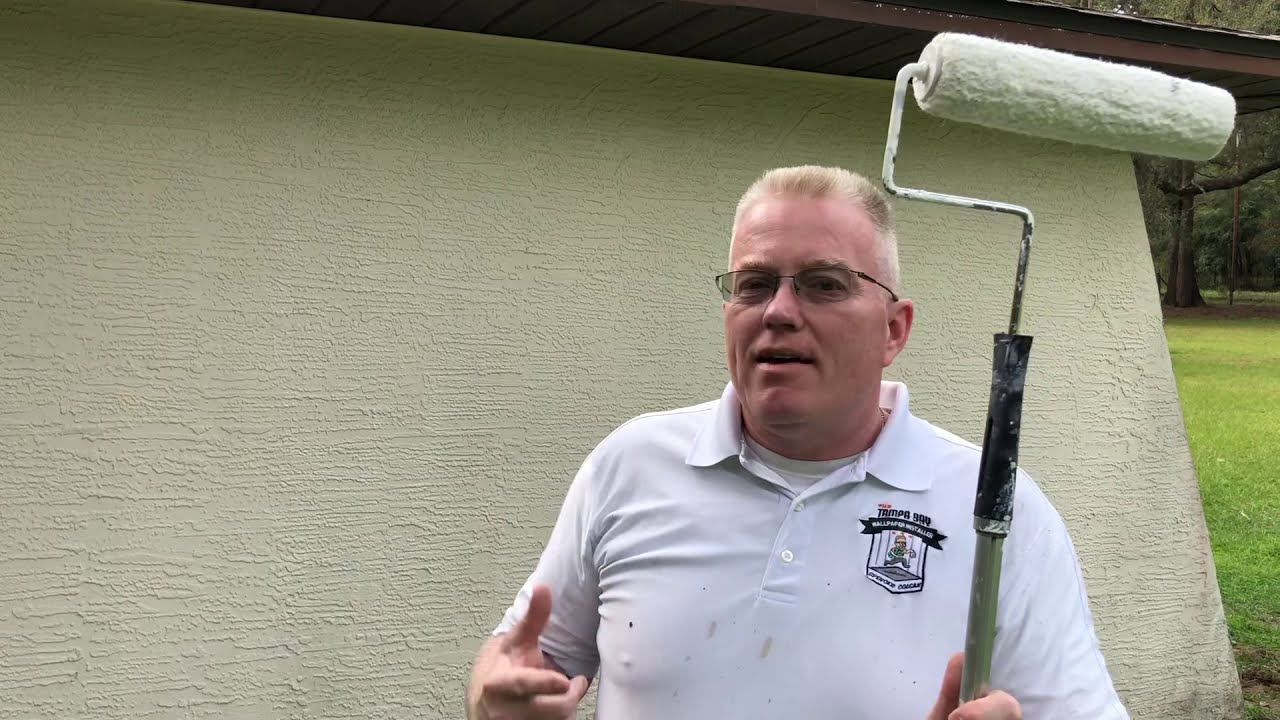
On the residential side, experienced painting professionals offering house painting services can coordinate concrete work with home exterior painting, exterior house painting, and home interior painting, so every surface is finished to a consistent standard.
A Simple Step-by-Step Process for Better Results
- Inspect: Check for cracks, moisture, previous coatings, and contamination.
- Clean: Degrease, scrub, pressure wash, and allow to dry fully.
- Repair: Fill cracks and holes, and treat efflorescence or mould.
- Profile: Grind or etch the surface as required, then remove all dust.
- Prime: Apply a compatible primer or sealer.
- Paint: Apply thin, even coats within the recommended weather window.
- Cure: Keep traffic, vehicles, and moisture off for the full recommended cure time.
Choosing Local Expertise in the Hills District
Local knowledge matters. Hills District properties vary from established homes with older render and masonry to new developments with fresh slabs and commercial estates with large industrial floors. Local expert painting services understand the climate, soil conditions, and typical construction methods in the area, and can recommend suitable systems for each situation. Whether the project involves house painting, home painting, or large-scale commercial painting work, asking about preparation methods, product specifications, warranties, and cure times will help you compare quotes fairly.
Key Takeaways
Most concrete painting problems can be traced to a handful of avoidable errors: inadequate preparation, painting damp or uncured slabs, choosing the wrong coating, skipping primer, working in unsuitable weather, and neglecting maintenance. By following manufacturer guidelines, investing time in preparation, and engaging qualified commercial painting contractors or exterior painting specialists when the job demands it, property owners can achieve a durable, attractive finish that holds up to Hills District conditions well into 2027 and beyond.
Expert Painters Hills District
Old Northern Rd, Castle Hill NSW 2154, Australia
(02) 5944 3883